
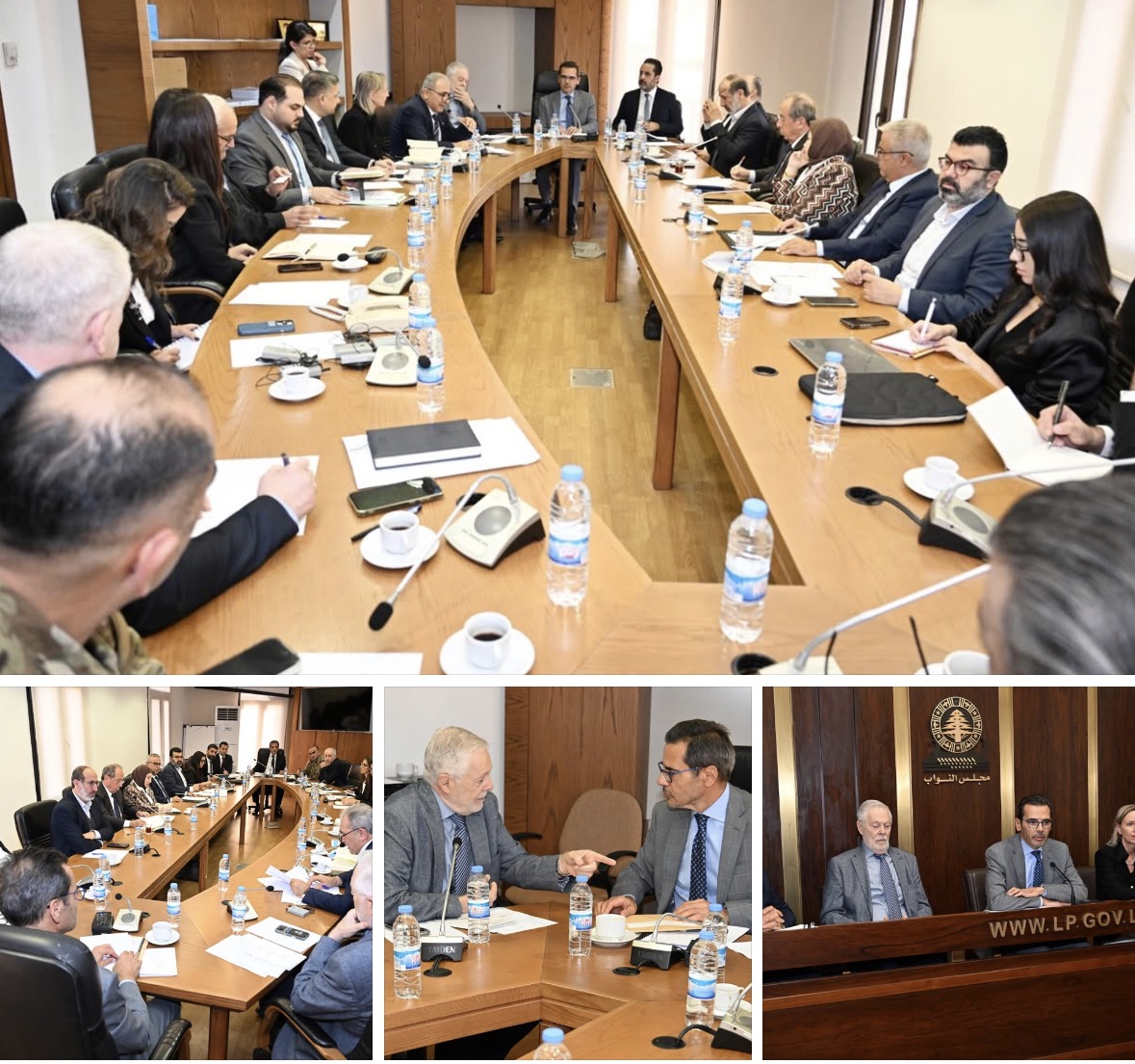
عرض رئيس لجنة الحوار اللبناني الفلسطيني السفير رامز دمشقية مشروع الخطة الوطنية لحوكمة المخيمات الفلسطينية في لبنان، خلال اجتماع عقدته لجنة الشؤون الخارجية والمغتربين النيابية اليوم الأربعاء ١١ تشرين الثاني ٢٠٢٦، برئاسة النائب الدكتور فادي علامة وحضور السادة النواب أعضاء اللجنة، وبمشاركة سفير دولة فلسطين في لبنان الدكتور محمد الأسعد، ومديرة شؤون الأونروا في لبنان الدكتورة دوروثي كلاوس، وممثلين عن وزارات الخارجية والمغتربين والدفاع والداخلية والبلديات.
ويأتي هذا الاجتماع كأول لقاء نيابي بعد إطلاق مسار المشاورات الوطنية حول الخطة من السراي الحكومي.
السفير دمشقية: مساران متكاملان
أوضح السفير دمشقية أن اللجنة تعمل على مسارين متكاملين، يشكّلان ترجمة عملية للتفاهمات التي تضمّنتها "الرؤية اللبنانية الموحّدة لقضايا اللجوء الفلسطيني في لبنان" لعام ٢٠١٧:
مسار تشريعي لتنظيم الوضع القانوني للاجئين الفلسطينيين وتحديد حقوقهم وواجباتهم، وقد وضعت اللجنة النص بين أيدي السادة النواب لإبداء ملاحظاتهم، تمهيداً لتقديمه كاقتراح قانون.
مسار إداري وتنظيمي عبر مشروع الخطة الوطنية لحوكمة المخيمات، بوصفها أول خطة وطنية لبنانية متكاملة في هذا المجال، تحدّد المسؤوليات والصلاحيات وآليات المتابعة والمساءلة.
وشدّد على أن رفض التوطين ثابت دستوري ووطني يلتقي مع تمسّك الفلسطينيين بحق العودة، وأنه "لا حرمان الفلسطينيين من حقوقهم يحمي لبنان من التوطين، ولا تمكينهم منها يؤدي إليه". كما أكّد أن حصرية السلاح ليست موضع مقايضة، وأن تحسين أوضاع اللاجئين مصلحة لبنانية مباشرة تعزّز الاستقرار داخل المخيمات وفي محيطها.
محاور الخطة
عرض فريق اللجنة المحاور الثلاثة للخطة: السيادة والأمن والقانون، والخدمات والحقوق، والإدارة المؤسساتية والحوكمة، وفق مقاربة تنفيذ تدريجية تبدأ بمرحلة تأسيسية.
النائب الدكتور فادي علامة
أكّد أهمية أن تبسط الدولة اللبنانية سلطتها على كامل أراضيها، بما فيها المخيمات، وأهمية الاستماع إلى الشركاء الفلسطينيين وإلى دور الأونروا في دعم اللاجئين.
سفير دولة فلسطين الدكتور محمد الأسعد
ثمّن اهتمام المجلس النيابي بهذا الملف، معتبراً مشروع الخطة فرصة للانتقال من إدارة الأزمات المتراكمة إلى معالجة مؤسساتية مستدامة. وأكّد التزام القيادة الفلسطينية باحترام سيادة الدولة اللبنانية وقوانينها ومؤسساتها، والتمسّك بحق العودة ورفض التوطين، واستعداد السفارة ومؤسسات منظمة التحرير الفلسطينية لمواصلة التعاون مع مجلس النواب والحكومة ولجنة الحوار.
مديرة شؤون الأونروا الدكتورة دوروثي كلاوس
ثمّنت إطلاق الحكومة للخطة، مؤكّدةً استمرار الأونروا في تقديم خدماتها الأساسية للاجئين في لبنان رغم الأزمة المالية، والعمل مع الجهات المعنية لإيجاد حلول لتأمين المياه والطاقة في المخيمات.
خلاصات الاجتماع
تخلّل الاجتماع نقاش معمّق وصريح بين السادة النواب، خلص إلى:
استكمال مرحلة التشاور والحوار مع جميع الفرقاء والمعنيين، على أن يُعرض مشروع الخطة بعد انتهائها على الهيئة العامة لمجلس النواب، لمناقشتها على أوسع مستوى وطني.
تنظيم زيارات ميدانية للسادة النواب إلى المخيمات الفلسطينية بالتنسيق مع الأونروا، للاطلاع المباشر على أوضاعها.
وتواصل لجنة الحوار اللبناني الفلسطيني مسار المشاورات الواسعة مع الجهات اللبنانية والفلسطينية والبلديات والمجتمع المدني، وصولاً إلى صيغة نهائية تُرفع إلى الحكومة وتحظى بأوسع توافق وطني ممكن.
#لجنة_الحوار_اللبناني_الفلسطيني #حوكمة_المخيمات
The Chairman of the Lebanese Palestinian Dialogue Committee (LPDC), Ambassador Ramez Dimechkie , presented the draft National Plan for the Governance of Palestinian Camps in Lebanon at a meeting held today by the Parliamentary Committee on Foreign Affairs and Emigrants. The meeting was chaired by MP Dr. Fadi Alameh and attended by committee members, the Ambassador of the State of Palestine to Lebanon, Dr. Mohammad Al-Assaad, the Director of UNRWA Affairs in Lebanon, Dr. Dorothee Klaus, and representatives of the Ministries of Foreign Affairs and Emigrants, Defence, and Interior and Municipalities.
This was the first parliamentary meeting since the national consultation process on the plan was launched at the Grand Serail.
Ambassador Dimechkie explained that LPDC is working on two complementary tracks, both building on the 2017 Unified Lebanese Vision on Palestinian Refugee Affairs. The first is a legislative track to clarify the legal status of Palestinian refugees and define their rights and obligations. The draft text has been shared with MPs for their input, ahead of its submission as a draft law. The second is an administrative track through the National Plan for Camp Governance, the first comprehensive Lebanese plan of its kind, setting out responsibilities, mandates, and mechanisms for follow-up and accountability.
He stressed that the rejection of permanent settlement is a constitutional and national principle, consistent with Palestinians’ commitment to their right of return. “Denying Palestinians their rights does not protect Lebanon from permanent settlement, and granting them those rights does not lead to it,” he said. He added that the state’s exclusive control of weapons is not open to negotiation, and improving refugees’ living conditions is in Lebanon’s direct interest, as it strengthens stability inside the camps and in surrounding areas.
The LPDC team then presented the plan’s three pillars: sovereignty, security and rule of law; services and rights; and institutional management and governance. Implementation would be phased, starting with a foundational stage.
MP Dr. Fadi Alameh underlined the importance of the Lebanese state extending its authority over all its territory, including the camps, and of hearing from Palestinian partners and UNRWA.
Ambassador Al-Assaad welcomed Parliament’s engagement on the issue and described the draft plan as an opportunity to move from managing successive crises to a sustainable institutional approach. He reaffirmed the Palestinian leadership’s commitment to respecting Lebanon’s sovereignty, laws and institutions, its adherence to the right of return and rejection of permanent settlement, and the readiness of the Embassy and PLO institutions to continue working with Parliament, the Government and LPDC.
Dr. Klaus welcomed the Government’s launch of the plan and confirmed that UNRWA will continue to provide essential services to Palestine refugees in Lebanon despite its financial difficulties, while working with relevant authorities to secure water and energy supplies in the camps.
Following an in-depth and frank discussion among MPs, the meeting agreed to:
Complete the consultation and dialogue process with all parties and stakeholders, after which the draft plan will be presented to the General Assembly of Parliament for discussion at the broadest national level; and
Organise field visits for MPs to Palestinian camps, in coordination with UNRWA.
LPDC will continue its broad consultations with Lebanese and Palestinian stakeholders, municipalities and civil society, with the aim of reaching a final version that can be submitted to the Government with the widest possible national consensus.
https://shorturl.at/7mExB